Fermentation is an anaerobic pathway- a common pathway in the majority of prokaryotes and unicellular eukaryotes. Anaerobic respiration is a type of cellular respiration where respiration takes place in the absence of oxygen.

Fermentation Microbiology
Table 1 compares the final electron acceptors and methods of ATP synthesis in aerobic.
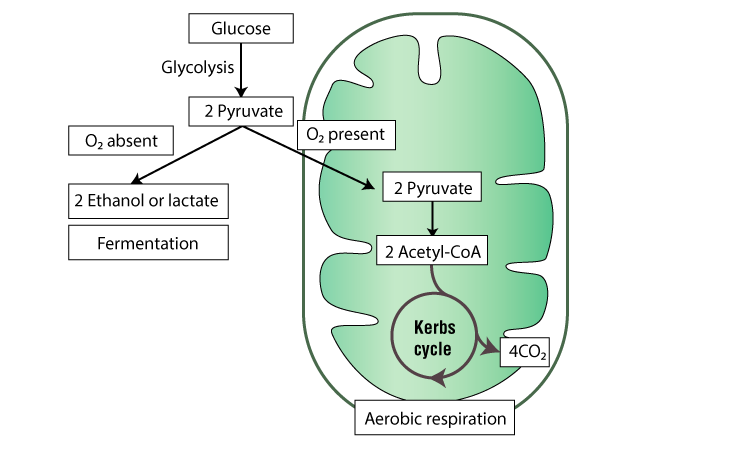
. Table 1 compares the final electron acceptors and methods of ATP synthesis in aerobic. The types are- 1. Various methods of fermentation are used by assorted organisms to ensure an adequate supply of NAD for the sixth step in glycolysis.
This occurs routinely in mammalian red blood cells and in skeletal muscle that has insufficient oxygen supply. Yeasts are essentially aerobic organisms but they can also grow as facultative anaerobes. When placed in a crock with a heavy.
In another method of fermentation brine dry salt or a salt solution may be used as in the case of pickles and sauerkraut. Fed Batch Fermentation 4. Fermentation is a metabolic process in which an organism converts a carbohydrate such as starch or a sugar into an alcohol or an acid.
Fermentation technology is the use of organisms to produce food pharmaceuticals and alcoholic beverages on a large scale industrial basis. Submerged Fermentation plays a vital role in maintaining a controlled environment for adequate production. However the citric acid cycle can not occur in the absence of oxygen because there is no way to regenerate the NAD used during this process.
The production of particular types of gas is used as an indicator of the fermentation of specific carbohydrates which plays a role in the laboratory identification of the bacteria. Alcoholic fermentation generally means production of ethanol CH 3 CH 2 OH. More than one product formed.
The various methods of fermentation are used by different organisms to ensure an adequate supply of NAD for the sixth step in glycolysis. Without these pathways. Consequently the microbial fermentation of carbohydrates was considered to be similar to mammalian glycolysis.
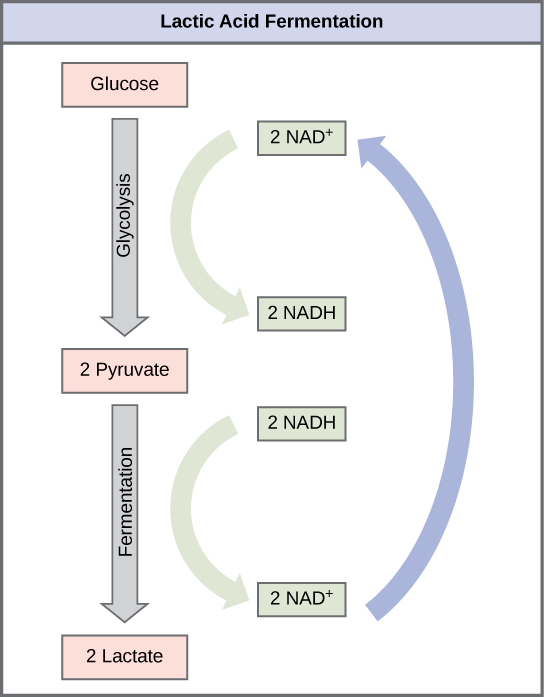
Fermentation is a metabolic process that produces chemical changes in organic substrates through the action of enzymesIn biochemistry it is narrowly defined as the extraction of energy from carbohydrates in the absence of oxygen. Describe the fermentation pathways and their end products and give examples of microorganisms that use these pathways. The fermentation method used by animals and some bacteria like those in yogurt is lactic acid fermentation Figure 416.
It occurs in human muscle cells when there is less availability of oxygen. Fermentation refers to the metabolic process by which organic molecules normally glucose are converted into acids gases or alcohol in the absence of oxygen or any electron transport chain. The frothing results from the evolution of carbon dioxide gas though this was not recognized until the 17th century.
This occurs routinely in mammalian red blood cells and in. Bacteria perform fermentation converting carbohydrates into lactic acid. Without these pathways that.
The production of particular types of gas is used as an indicator of the fermentation of specific carbohydrates which plays a role in the laboratory identification of the bacteria. Fermentation pathways regenerate the coenzyme nicotinamide adenine dinucleotide NAD which is used in glycolysis to release energy in the form of. The various methods of fermentation are used by different organisms to ensure an adequate supply of NAD for the sixth step in glycolysis.
The production of particular types of gas is used as an indicator of the fermentation of specific carbohydrates which plays a role in the laboratory identification of the bacteria. This is why many authors use the terms glycolysis or glycolytic pathway to describe one method of anaerobic breakdown of carbohydrates by microorganisms and why fermentation became synonymous with glycolysis. Organisms carrying out fermentation called fermenters produce a maximum of two ATP molecules per glucose during glycolysis.
The addition of salt to shredded cabbage draws water and a little sugar out from the cabbage both of which support the growth of lactic acid bacteria already present on the leaves. A batch fermentation is a closed culture system. The following points highlight the eight main types of fermentations.
Types of fermentation on the basis of the type of substrate used during fermentation. Lactic acid is formed from pyruvate produced in glycolysis. Today following the scientific discoveries of French microbiologist Louis Pasteur who showed that living organisms initiate fermentation we know why fermentation not only makes food like sourdough bread cheese and wine taste better but.
This forms the major about 85 portion of the complete fermentation technology. For example yeast performs fermentation to obtain energy by converting sugar into alcohol. Various methods of fermentation are used by assorted organisms to ensure an adequate supply of NAD for the sixth step in glycolysis.
Both processes allow organisms to convert energy for their use in the absence of oxygen. Commonly yeasts particularly Saccharomyces cerevisiae are used for production of various alcoholic beverages as well as industrial alcohol. There are mainly two types of fermentation on the basis of the type of substrate used during fermentation.
Without these pathways. The various methods of fermentation are used by different organisms to ensure an adequate supply of NAD for the sixth step in glycolysis. The production of particular types of gas is used as an indicator of the fermentation of specific carbohydrates which plays a role in the laboratory identification of the bacteria.
Without these pathways. The method by which the products of fermentation are recovered and separated is known as downstream processing. In food production it may more broadly refer to any process in which the activity of microorganisms brings about a desirable change to a foodstuff.
More broadly fermentation is the foaming that occurs during the manufacture of wine and beer a process at least 10000 years old. Without these pathways that step would not occur and no ATP would be harvested from the breakdown of glucoseOther fermentation methods also occur in. Fermentation chemical process by which molecules such as glucose are broken down anaerobically.
The various methods of fermentation are used by different organisms to ensure an adequate supply of NAD for the sixth step in glycolysis. Organisms carrying out fermentation called fermenters produce a maximum of two ATP molecules per glucose during glycolysis. In this process glucose is partially oxidised to form acids and alcohol.
Humanity has been fermenting food since the Neolithic age long before people understood the science behind the process. Describe the process of anaerobic cellular respiration. The production of particular types of gas is used as an indicator of the fermentation of specific carbohydrates which plays a role in the laboratory identification of the bacteria.
The fermentation method used by animals and some bacteria like those in yogurt is lactic acid fermentation Figure 1. In organisms like yeast the pyruvic acid. Without these pathways.
Only one type of product formation. Describe the fermentation pathways and their end products and give examples of microorganisms that use these pathways. The fermentation in which lactic acid is the product is called lactic acid fermentation.
On the basis of the end product formed fermentation can be categorized as follows. The study of fermentation is called zymology. Yogurt production is a type of lactic acid fermentation in which bacteria are used to convert milk into yogurt enzymatically.

Types Of Fermentation Biology For Majors I
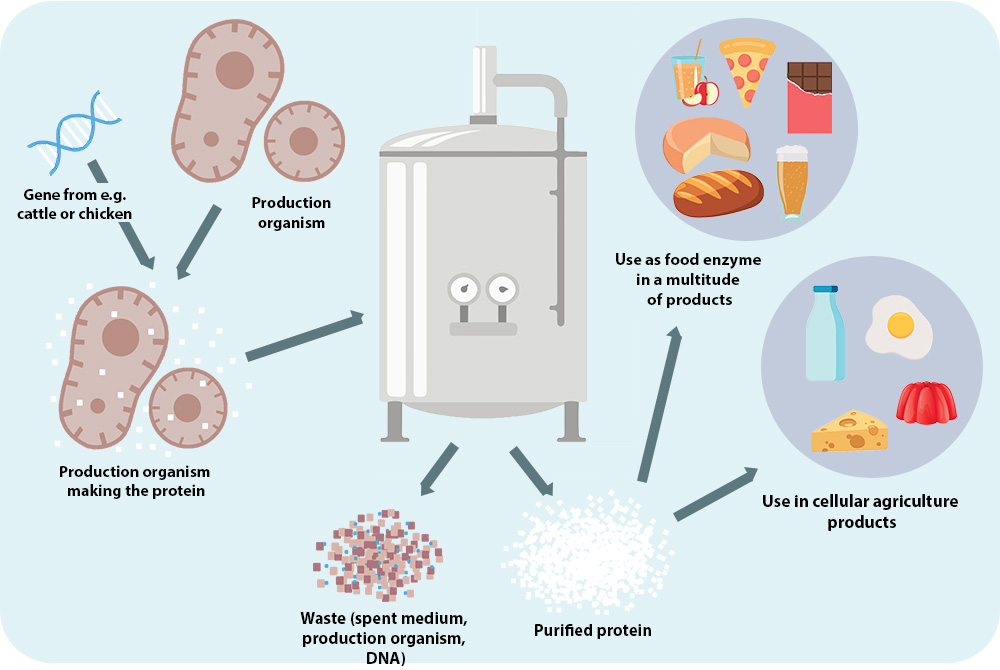
Fermentation The New Protein Supply Chain
Types Of Fermentation Definition Process Advantages
4 4 Fermentation Concepts Of Biology 1st Canadian Edition



0 Comments